When is a discount actually big? A look at how discounts are distributed
20% off sounds small, 50% off sounds huge. But how rare big discounts really are only becomes clear from the spread across the live offer feed — shown here for your marketplace.

Every deal platform on earth sorts by the same number: the discount in percent. It sits on the badge, it drives the ranking, it is the currency of the entire industry. The one thing it never answers is the only question that matters before you buy — is that a lot?
Because "a lot" is always relative. Relative to the product's price history, relative to its price bracket, and above all relative to whatever else is on offer right now. That last benchmark is the one shoppers essentially never get to see. So here it is.
One clarification up front: this article is not about whether a strikethrough price is real in the first place — that is its own topic, and we walk through it step by step in our guide to spotting fake discounts. Here we assume the reference price is genuine and ask the next question: how good is an honest 20% off, really?
How discounts are spread right now
The analysis below reads the currently running Amazon offer feed for your marketplace and sorts every discounted item into discount brackets. It is live — open this page tomorrow and the numbers will have moved.
43 %
Median discount across all running offers
65 %
of offers reach 40% or more
100
discounted offers analysed
Live sample of 100 current offers from your Amazon marketplace. The distribution shifts by the hour — which is why the ranking matters, not the individual percentage.
Two figures are worth a close look. First, the median: it marks the middle of the field — half of all running offers sit below it. On most marketplaces it lands noticeably lower than gut feeling suggests; the typical "deal" is not a half-price bargain. Second, how crowded the top bracket is: the thinner it gets, the more a discount up there is a statistical outlier rather than an everyday event.
And this is exactly where marketplaces part ways. There are country feeds in which barely any offer clears the 40% mark — and others where more than half of them do. The same percentage is remarkable in one case and merely average in the other. Memorise a fixed number and you have memorised the wrong yardstick.
That leads to a way of thinking far more useful than any percentage rule of thumb: don't ask "is 25% a lot?", ask "where does this offer sit in today's distribution?" A discount above the median is above average. A discount in a thinly populated top bracket is rare. And a discount below the median is exactly what you will be offered again tomorrow.
What other deal platforms measure instead
The weakness of the percentage figure is no secret, and the established platforms have each found their own answer to it. Looking at those answers is worth the detour, because each signal is good at something — and blind to something else.
Community rating ("temperature"): Sites such as HotUKDeals, mydealz, Dealabs or Chollometro let their users vote; the votes add up to a temperature that lifts a deal onto the front page, or doesn't. That is an excellent filter for visibility and desirability — a crowd verdict on whether a lot of people want this product right now. It is not a price verdict, though: a red-hot deal can still be cheaper three weeks later.
Editorial curation: Services like DealNews, or the editorial side of Slickdeals, put people in charge of the selection instead of a pure percentage sort. What you gain is context — somebody judges whether the product is any good at all. What you pay for it is coverage: no editorial team ever gets through the whole feed.
Price history: Tools such as Keepa or camelcamelcamel record a product's price over time and answer the hardest question directly — has this been cheaper before? That is the most objective signal available, and the perfect complement to the distribution: the distribution tells you whether a discount is remarkable in today's market, the history tells you whether it is remarkable for this product.
So our recommendation is not an either/or. Use the distribution as a quick filter, the price history as the cross-check — and the community temperature, at best, as a hint that something is worth a closer look.
Three questions that replace the percentage
1. Where does the offer sit in the distribution? Above the median: interesting. In the top bracket: rare, time to look properly. Below it: no reason to hurry.
2. How much is that in pounds? Percentages look enormous on cheap items and harmless on expensive ones — while the truth is the other way round. 40% off a £15 accessory is six pounds. 12% off a £400 device is forty-eight. Translating the discount into an amount before anything else instantly reorders your priorities.
3. Would you have looked for this product without the badge? That is the most uncomfortable and most effective question. A discount on something already on your list is a saving. A discount on something the badge just put in your head is an expense. The percentage is identical in both cases.
Rules of thumb by price bracket
The distribution yields a rough orientation that stays surprisingly stable across marketplaces:
- Under £20: this is where high percentages are most common — small parts, consumables and clearance stock swing hard. Below 30% it rarely deserves much thought here, because the absolute amount stays tiny.
- £20 to £100: the zone where the distribution says the most. A discount above the median is a solid buy here, provided the rating and your actual need line up.
- Above £100: high percentages get markedly rarer, because the margin simply isn't there. In exchange, even single-digit to low double-digit percentages are a noticeable amount of money. Waiting for −50% in this bracket usually means waiting forever.
What is actually above the bar right now
To finish, the practical test: these offers from your marketplace's running feed clear the top discount bracket — with a rating solid enough to back the number up.
What is currently above 40%
Picked from your marketplace's running feed: the deepest discounts with a credible rating behind them. Still check the price history before you buy.
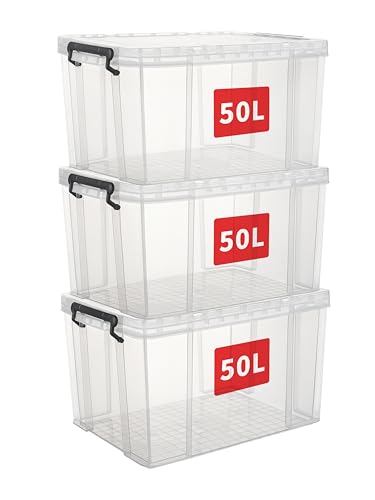
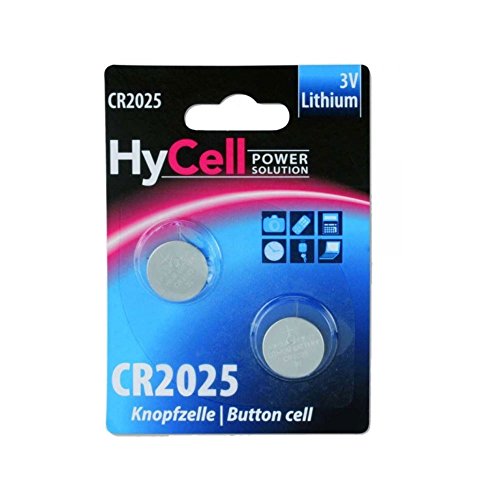
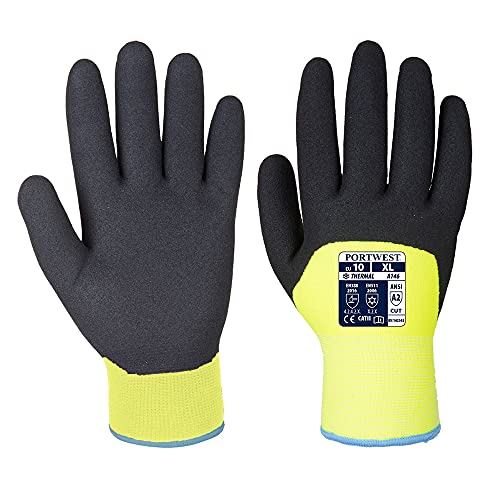
This selection is generated from the distribution, not from an editorial list; it is evidence, not an instruction to buy. Before any of it lands in a basket, both cross-checks still apply: look at the price history, and answer honestly whether the product would interest you without a percent sign attached. For more ways to push the price down independently of any discount, see our Amazon savings tricks.
Frequently asked questions
From what percentage onwards is a purchase worth it, as a general rule? There is no general rule — that is the whole point. The same 25% is unremarkable on a consumable and notable on a large kitchen appliance. The distribution supplies the missing yardstick.
Why are my numbers different from another country's? Because every Amazon marketplace runs its own offer feed, with its own mix of categories, sellers and promotions. That is why the analysis above always uses yours.
Are very high discounts a warning sign? Not automatically. Discontinued models, seasonal changeovers and stock clearances explain genuine 50 to 70% cuts without any difficulty. It only gets suspicious when a current, in-demand product drops steeply for no visible reason — at which point the strikethrough price is the likelier error, not the price.
Can I trust the analysis if it is only a sample? It reads the offers actually running on your marketplace, not a hand-picked selection. For the question "how rare is this discount today?" that is enough; for "has this product been cheaper before?" you additionally need the price history.
* Prices incl. VAT, plus shipping if applicable. Prices may have changed since the last update; the current price on the merchant’s site applies. Real-time updates are not technically possible.
About the author
Yahya Bolat
Redaktion · Dealtiger
You might also like

How to spot fake discounts: catch inflated was-prices in 2 minutes
70% off sounds fantastic — until you realise nobody ever paid the crossed-out price. These five checks let you spot inflated reference prices before they cost you money.

How to pay less on Amazon: 7 legitimate tricks — from vouchers to Amazon Resale
Vouchers, Amazon Resale returns, Subscribe & Save, marketplace price gaps: Amazon has more built-in savings mechanics than most people ever use. The full rundown, small print included.